Craftsmanship
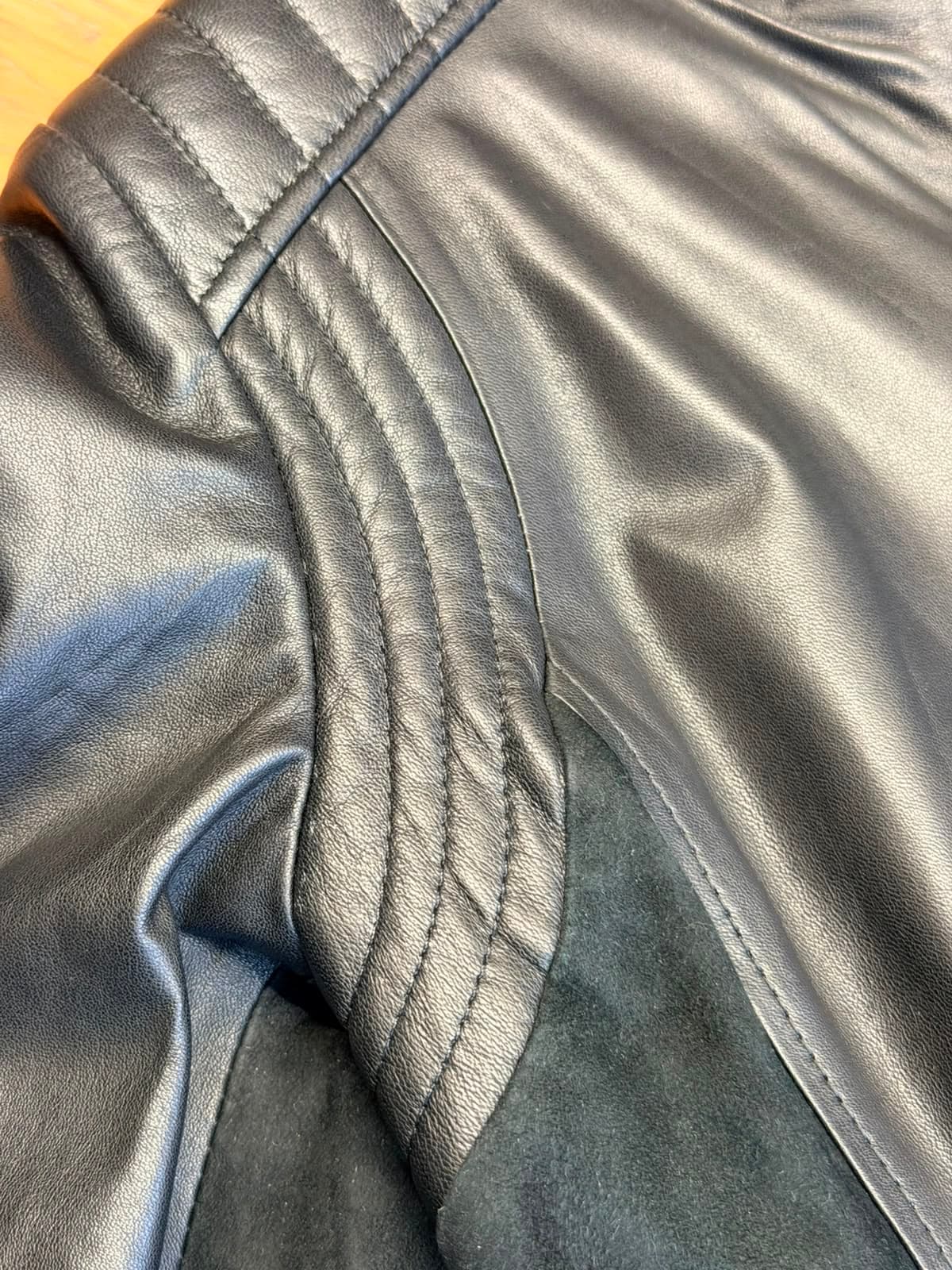
The Anatomy of a Hand-Finished Seam
Inside our Shoreditch atelier, every seam tells a story of patience, precision, and a reverence for leather that machines alone cannot replicate.
ILHAN Admin · 12 September 2025 · 3 min read
There is a moment in the making of every ILHAN piece when the machine stops and the hand begins. It happens at the seam — that critical junction where two pieces of leather become one.
Our saddle-stitching process uses two needles and a single length of waxed linen thread, passed simultaneously through each hole punched by hand. Unlike a lock-stitch machine, which can unravel if a single thread breaks, a saddle-stitched seam holds firm for decades. It is slower — roughly four times slower than machine stitching — but speed has never been our measure of success.
Each artisan in our atelier serves a seven-year apprenticeship before stitching an exterior seam unsupervised. They learn first to punch consistent holes, then to maintain even tension, and finally to bury the thread ends invisibly within the leather itself. The result is a seam that sits flat, flexes naturally, and develops a subtle sheen as the waxed thread polishes against the leather over years of wear.
We believe this is what separates craft from manufacture. A machine can replicate the appearance of hand-stitching, but it cannot replicate the decision-making that occurs at every stitch — the slight adjustment of tension around a curve, the choice of hole spacing on a particularly thick section of hide, the instinct to pause and re-punch when the leather grain shifts unexpectedly.
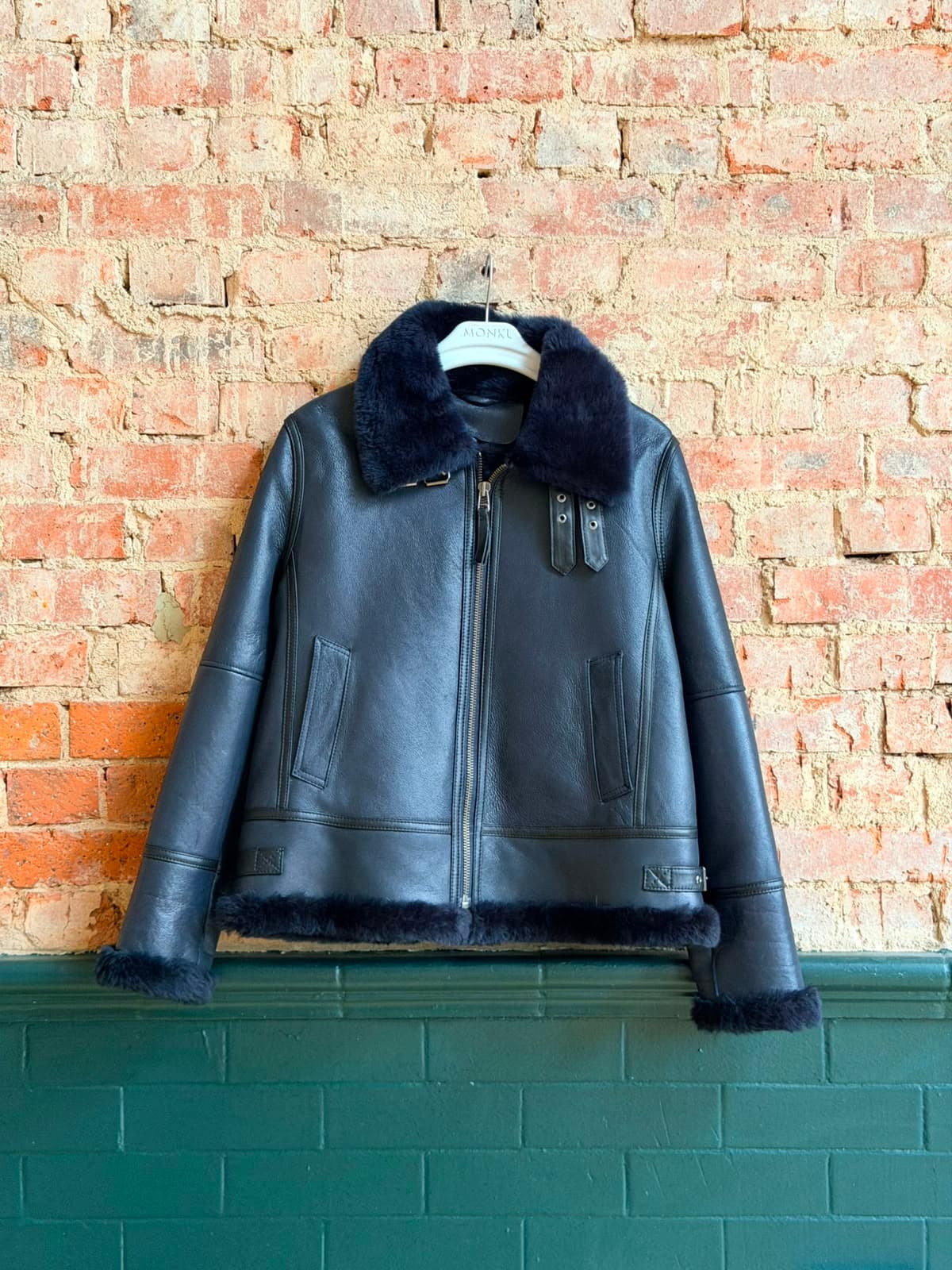
When you run your finger along the seam of a Mayfair Shearling Bomber or a Knightsbridge Shearling Coat, you are feeling the accumulated judgement of a craftsperson who has dedicated years to mastering a single, essential skill. That is the anatomy of a hand-finished seam.